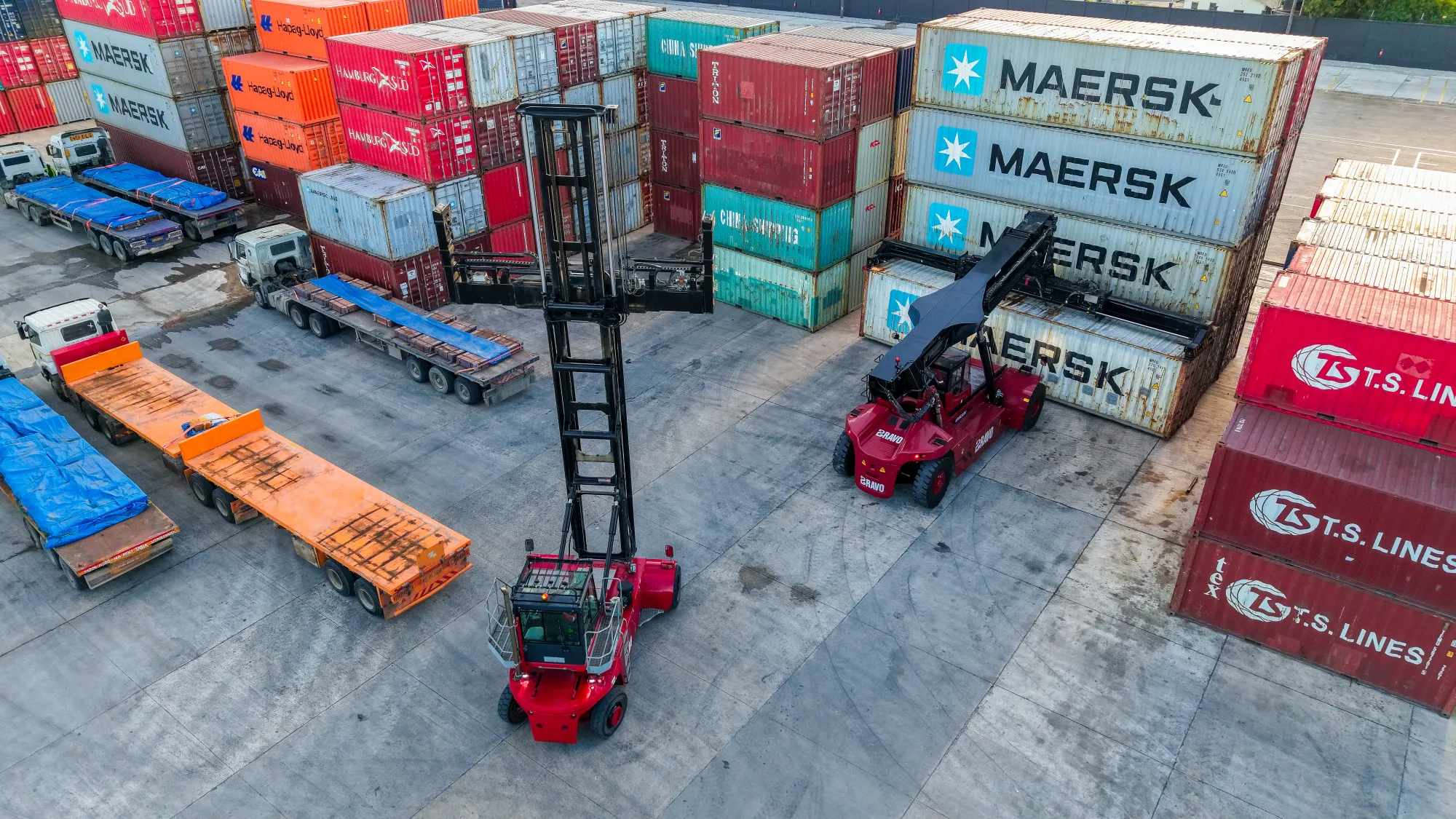
One connected logistics ecosystem.
Ports, rail and corridors working together as one, where road, rail, dry ports, cold chain and technology move cargo across East, Central and Southern Africa.
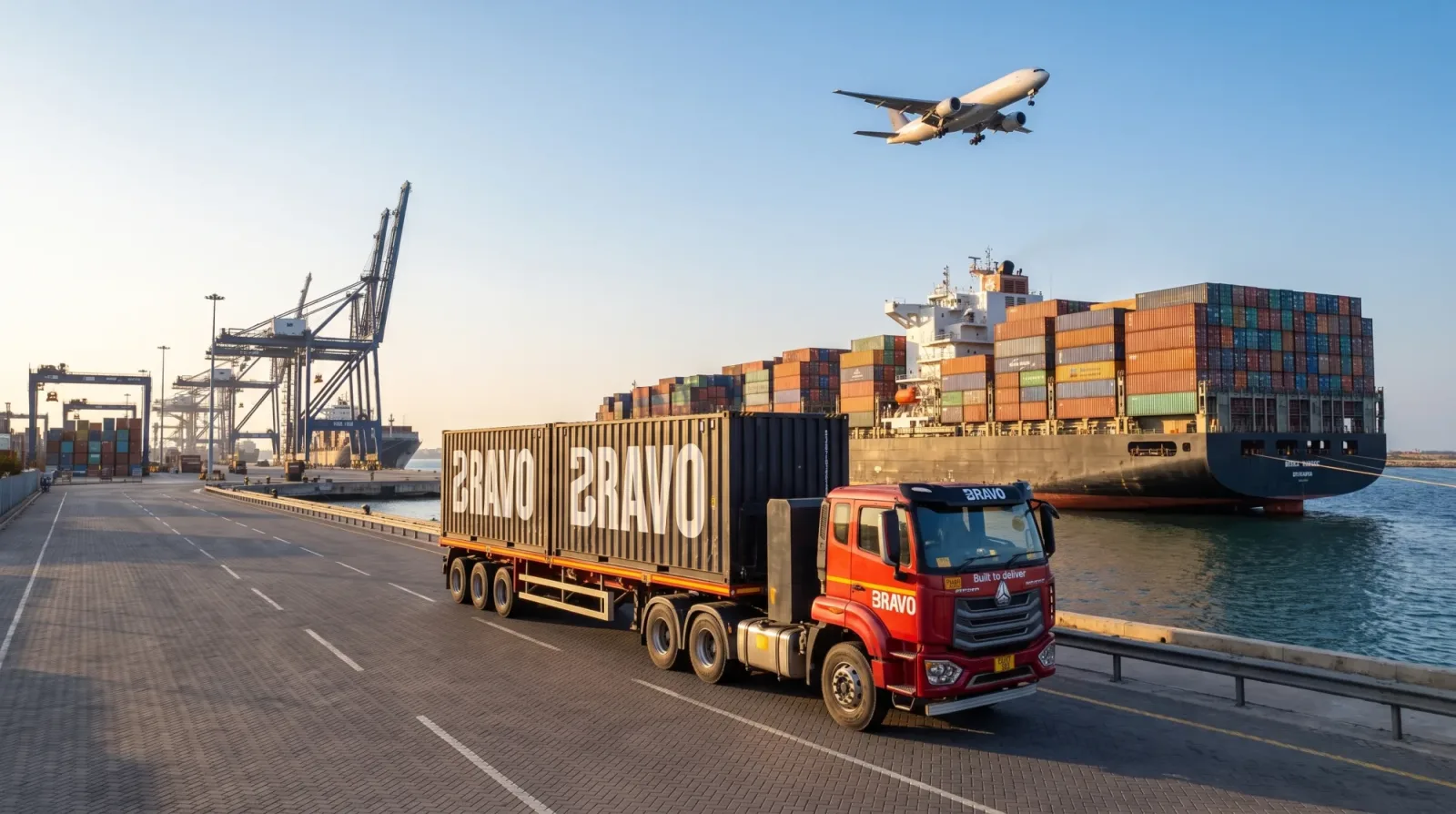
The Ecosystem
One network spanning ports, rail and corridors.
Five owned facilities across the port, the corridors and the highway. Every node lights up as part of the same network, shifting cargo from road to rail and connecting regional economies.
Central Corridor
Southern Corridor
Port & dry ports
0
Integrated dry ports
0K
TEU annual capacity
0K+ sqm
Total facility footprint
0
Countries served
Our Coverage
Moving cargo across 17 regional markets.
Headquartered in Dar es Salaam, Tanzania, we serve the East African Community and the wider SADC region.
EAC Coverage
Burundi · DR Congo · Kenya · Rwanda · South Sudan · Uganda
SADC Coverage
Tanzania · Mauritius · Mozambique · Angola · Namibia · Botswana
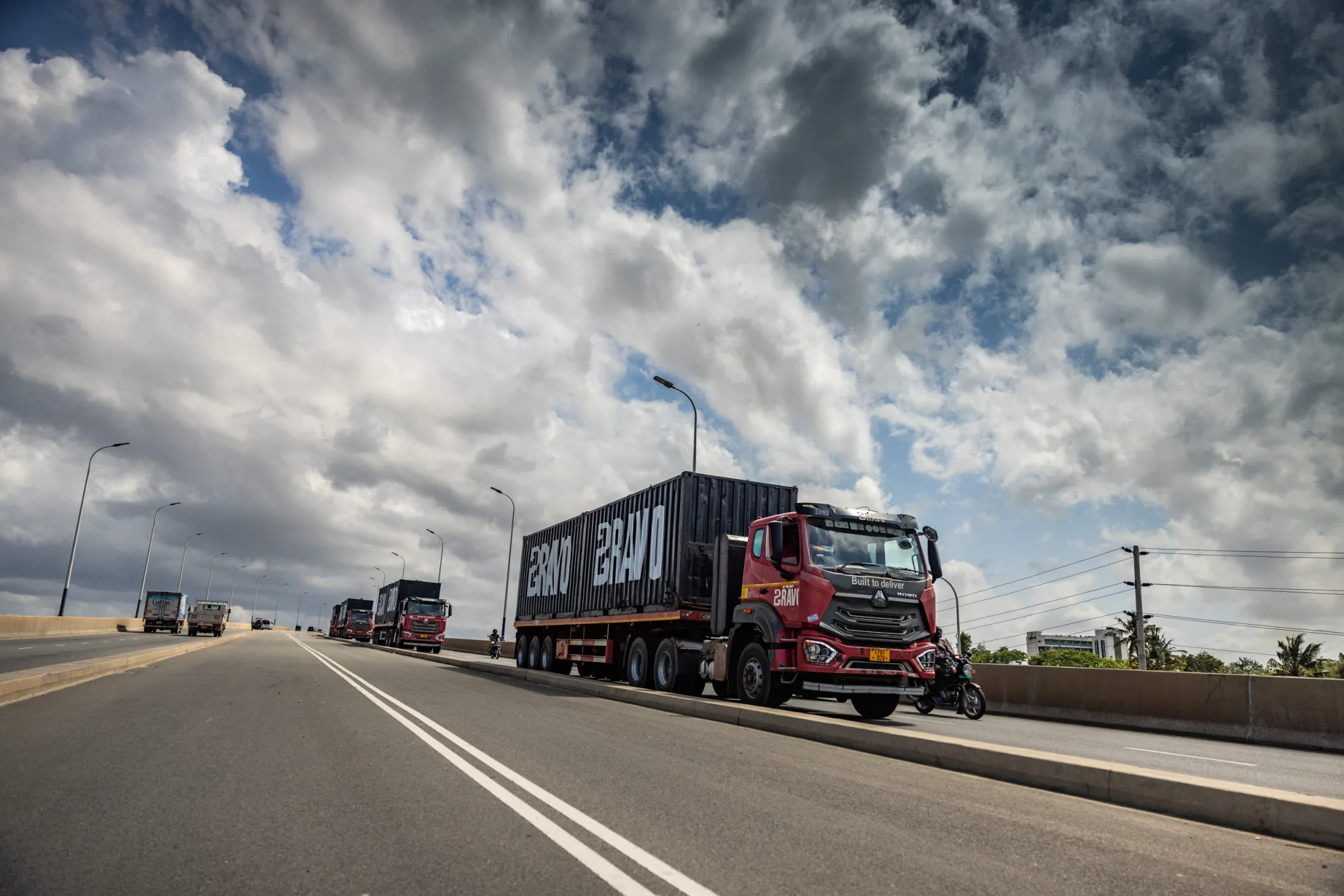
Owned & Operated
Infrastructure built around the port.
Bravo owns and operates the facilities that keep cargo moving, from the quayside to the final mile.
120,000 TEU / yr
Ubungo Dry Port
Our flagship terminal, 87,000 sqm on the Central Corridor, rail-linked to the port via the TRC meter-gauge line, serving Rwanda, Burundi, Uganda and eastern DRC.
60,000 TEU / yr
Bravo TAZARA Terminal
Just 6 km from the Port of Dar es Salaam on the TAZARA Cape-gauge railway, with seamless rail access to Zambia and the wider SADC region.
110,000 TEU / yr
Sandali Dry Port
80,000 sqm of container and bulk handling with covered warehousing: complete logistics under one roof, 6 km from the port.
1 km from port
Bravo Mivinjeni Cold Chain
A modern temperature-controlled terminal, a reefer yard and chilled warehouse for temperature-sensitive agriculture, food, pharmaceutical and healthcare cargo.
36,000 sqm
Bravo Kiluvya Highway Stops
A smart highway logistics and support centre on the route to the port: digital queuing, EV charging and driver facilities that cut congestion at the gate.
The Future on Track
Building faster, more sustainable logistics.
Through open-access operations on the TAZARA railway network and growing rail-linked infrastructure, Bravo is building faster, more efficient logistics that connect businesses across East, Central and Southern Africa.
By shifting cargo from road to rail we reduce congestion, lower emissions and strengthen regional trade, because the future belongs to integrated networks where rail, road, dry ports and technology work together as one.